Habitat Health
One deer consumes 9-12 pounds of forage daily. When deer are present at high densities, they are incredibly destructive ecosystem engineers.

Direct Effects
Overbrowsing
By over-consuming the parts of woody plants, such as leaves, shoots, and fruits, deer suppress future plant growth and reproduction.
Overgrazing
By over-consuming native grasses and flowers, deer reduce understory diversity and reduce the density of understory growth.
Predation
Deer prey on songbirds and their eggs. They also incidentally consume herbivorous insects. At high deer densities, this severely reduces their abundance, reducing the richness and evenness of the community.
Indirect Effects
Invasive Species
By reducing the abundance of native species, non-native species that are more tolerant of deer interference can take over the community.
Reducing Diversity
Through their reduction of diversity, the ecosystem becomes less stable, increasing the time it takes for it to recover from stress.
As deer decrease the density of shrubs and saplings, vertical complexity is lost, harming the abundance and diversity of shrub-nesting and migrant birds.
Long-Term Effects: Habitat Damage
Loss of Cover
As vegetative cover is lost, the microclimate of the forest floor is changed: temperature and light levels increase, and moisture is lost. This has long-term impacts on the composition of the forest, altering plant life, predation, and the process of nutrient cycling.
Prevention of Forest Regeneration
Through the above methods of habitat destruction, deer can prevent edge habitats from regenerating into their native forests.
Results of Deer Exclusion
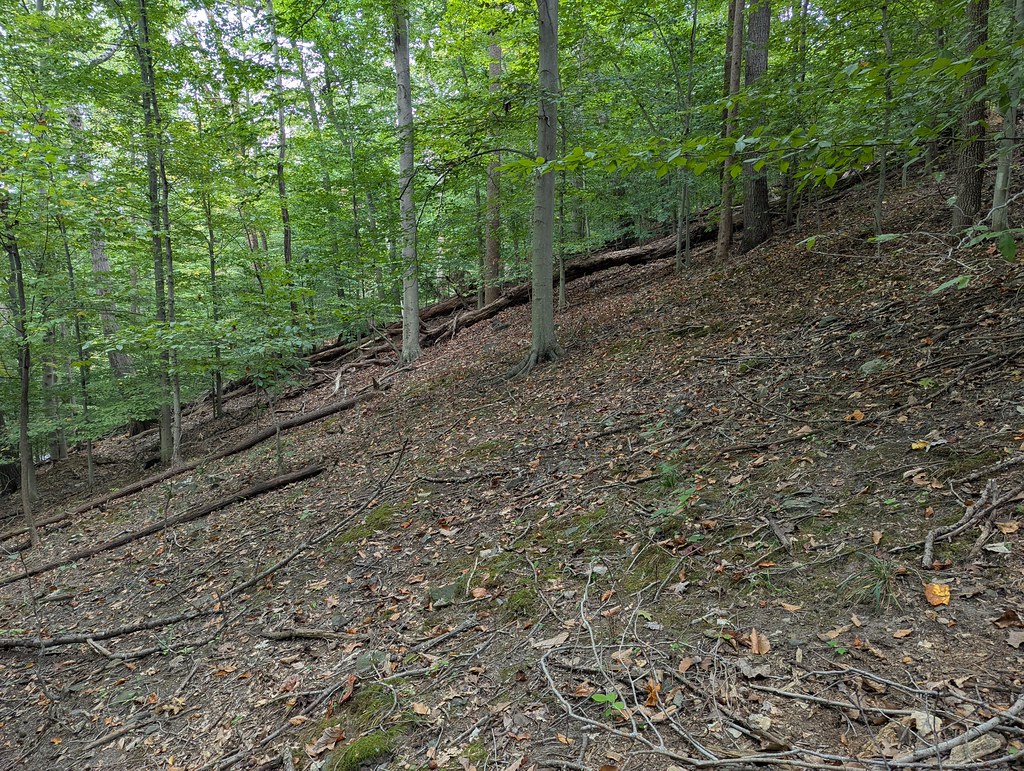
By preventing deer from overbrowsing and overgrazing, forest habitats can bounce back.
Destroyed Forest Understory
Recovered Forest Understory
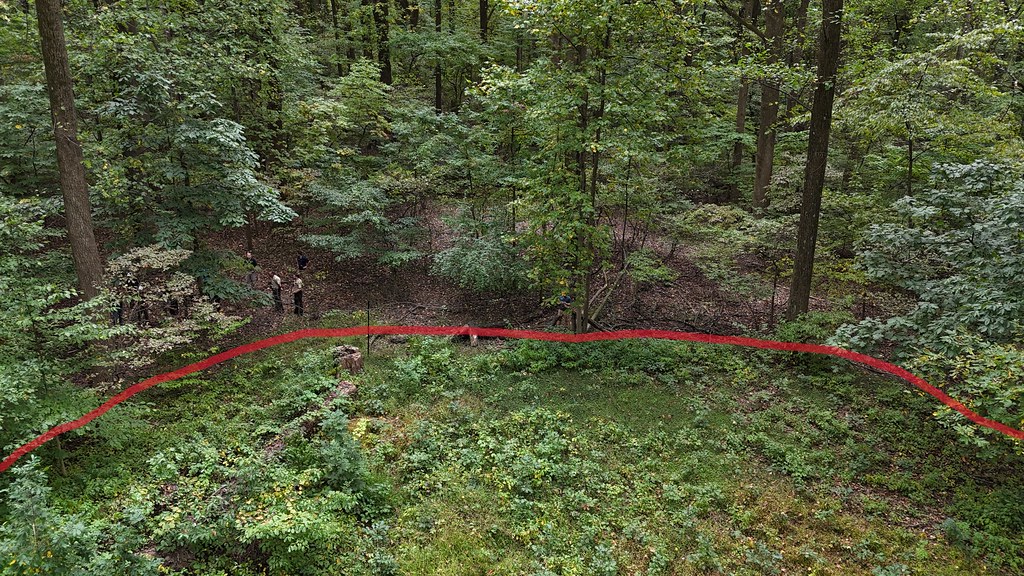
The line indicates fencing that excludes deer from browsing.
site information
This website was made for Biology 240: Ecology and Evolution, by S.K. and N.A.R.